I used to think that great travelers were just spontaneous people who could throw a few things into a backpack and hop on a plane. But after years of traveling, I’ve learned that good trips rarely just “happen.” They’re made with thoughtful planning, and a healthy dose of flexibility.
Planning a trip can feel overwhelming at first, but with the right mindset and structure, it becomes part of the adventure. Here’s my personal guide to planning a trip like a pro without losing the fun that makes travel so special.
1. Start With Inspiration
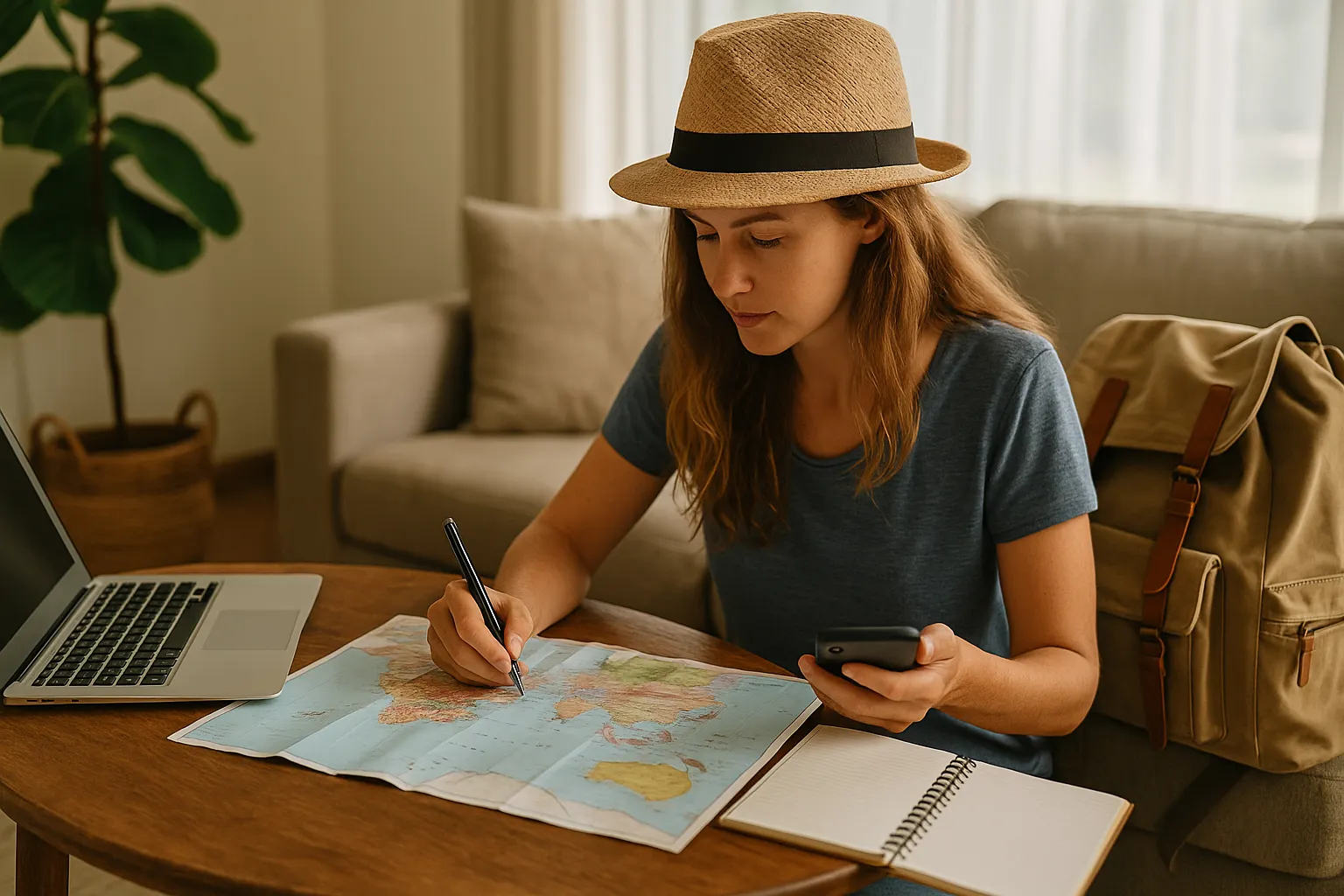
Every great trip starts with a spark, a photo, a story, a craving for adventure. I usually begin by writing down what kind of experience I want: Do I need rest, nature, or culture? Do I want to explore a new city or escape to the mountains?
I browse travel blogs, Pinterest, and Google Maps to get a feel for different destinations. Sometimes, I choose places because of a single detail: a café I saw online or a local dish I want to try.
Let your curiosity guide the early stage. That’s where the excitement begins.
2. Set a Realistic Budget
Money doesn’t have to limit your travel dreams, but knowing your budget helps you make smarter choices. I start by estimating three main categories:
- Flights or transportation
- Accommodation
- Daily spending (food, entrance fees, local travel, and a small emergency fund)
Once I have a rough total, I adjust my itinerary accordingly. Some places are naturally cheaper, like Vietnam or Portugal, while others, such as Switzerland, can stretch your budget quickly.
I also use apps like Skyscanner and Google Flights to track price drops and book when the deals are right.
3. Research the Best Time to Visit
Weather and seasons can completely change your experience. I once went to Thailand during the rainy season and ended up planning my days around downpours. It wasn’t bad, but it taught me to check climate charts before booking.
Beyond weather, research local holidays and festivals, they can be magical to witness but may also affect prices and availability.
4. Book the Essentials Early
Flights, accommodation, and major activities are the backbone of any trip. I try to book these first, especially if I’m visiting a popular destination during peak season.
My rule of thumb:
- Flights: 2 to 3 months in advance.
- Hotels or guesthouses: 4 to 6 weeks before departure.
- Tours or attractions: As soon as you confirm your dates.
Booking early gives me peace of mind and lets me focus on the fun parts, like planning what to eat and see.
5. Leave Room for Flexibility
Overplanning can make a trip feel like a checklist instead of an experience. I used to pack my itineraries with back-to-back activities, only to realize I was missing spontaneous moments, the kind that make travel unforgettable.
Now I plan “anchors” (the must-dos) and leave gaps for whatever comes my way. Maybe I’ll join locals for a festival, discover a café with live music, or decide to take a detour to a nearby village.
Some of my favorite memories were unplanned.
6. Learn the Basics About the Destination
Before arriving, I always learn a few key things:
- Cultural etiquette (dress code, tipping habits, common greetings).
- Transportation options (metro systems, local taxis, car rentals).
- Language essentials (at least hello, thank you, and excuse me).
- Safety considerations (areas to avoid, emergency contacts).
It’s amazing how much smoother travel becomes when you arrive informed. Locals often appreciate when visitors show respect and awareness.
7. Pack Smart and Light
Packing is one of the trickiest parts of travel planning, but the goal is simple: bring only what you need and what makes you comfortable.
Here’s what works for me:
- Stick to a color palette so everything matches.
- Roll clothes to save space.
- Bring multipurpose items (a scarf can become a blanket or beach towel).
- Always pack a portable charger, reusable water bottle, and universal adapter.
And don’t forget a small first-aid kit, it’s one of those things you never need until you really do.
For more personal lessons like these, you can read my post 10 Essential Travel Tips I’ve Learned From My Journeys.
8. Organize Your Documents
I keep my travel documents in both physical and digital forms. A printed folder includes:
- Passport and visa copies.
- Flight confirmations.
- Hotel bookings.
- Travel insurance details.
Digitally, I save everything on Google Drive and email it to myself. That way, even if I lose my phone, I can access everything from another device.
9. Plan for Connectivity
In today’s world, staying connected while traveling is a must. Before each trip, I check if I can get an eSIM or a local SIM card upon arrival. Many airports sell prepaid options, which are cheaper and easier than relying on international roaming.
Offline maps are another lifesaver. I download Google Maps areas before traveling so I can navigate even without signal.
10. Build Your Itinerary Around Experiences, Not Just Sights
When I plan my days, I focus less on “seeing everything” and more on what I want to feel. Maybe it’s the calm of watching a sunset, the taste of a local dish, or the thrill of trying something new.
In Florence, for example, I skipped a museum to spend an afternoon chatting with a local artist in a small workshop. It wasn’t in any guidebook, but it was the moment I remember most.
Try to balance famous attractions with small, authentic experiences. That’s where the magic happens.
11. Prepare for the Unexpected
Travel rarely goes perfectly, and that’s okay. Missed connections, sudden weather changes, or last-minute closures are part of the journey.
I’ve learned that carrying a sense of humor helps more than any guidebook. When things go wrong, I take a breath, adjust my plans, and remind myself that these moments often make the best stories later.
12. End With Reflection
When I return home, I spend time reflecting on what I loved most and what I’d do differently next time. I save photos, write short notes about the people I met, and jot down lessons learned.
Travel planning doesn’t end when the trip does, it evolves with each journey. Every destination teaches you something new about how you like to travel.
Planning a trip like a pro isn’t about being perfect. It’s about finding balance between preparation and spontaneity. The more you travel, the more you learn what works for you, and that’s where confidence grows.
Good planning gives you freedom. It helps you focus less on logistics and more on the moments that matter: the views, the food, the laughter, and the quiet realizations that happen far from home.
So plan wisely, pack lightly, and keep your sense of wonder alive. The journey starts long before the plane takes off.
Useful Resources
- Skyscanner – For flight comparisons.
- Rome2Rio – To plan routes between cities.
- Google Travel – To organize trips and save ideas.
- TripIt – To keep itineraries in one place.
If you have a little time, also check out this post: Best Travel Apps I Use All the Time, which I think can help you a lot.