When I first planned my trip across Europe, I kept seeing one warning everywhere: “Europe is expensive.”
But as a long-term traveler on a tight budget, I wanted to see if that was really true.
After three months exploring ten countries, from Portugal’s sunny coast to the heart of Prague, I discovered that traveling through Europe on less than $40 a day isn’t only possible, it is deeply rewarding.
Here is exactly how I managed to do it without missing out on great food, culture, or comfort.
My Route and Travel Style
I began in Lisbon, then moved east through Spain, France, Italy, Austria, Czechia, Germany, Hungary, and finally Poland. I mostly traveled by bus or budget airline, staying in hostels, guesthouses, and occasionally small Airbnbs when I found a good deal.
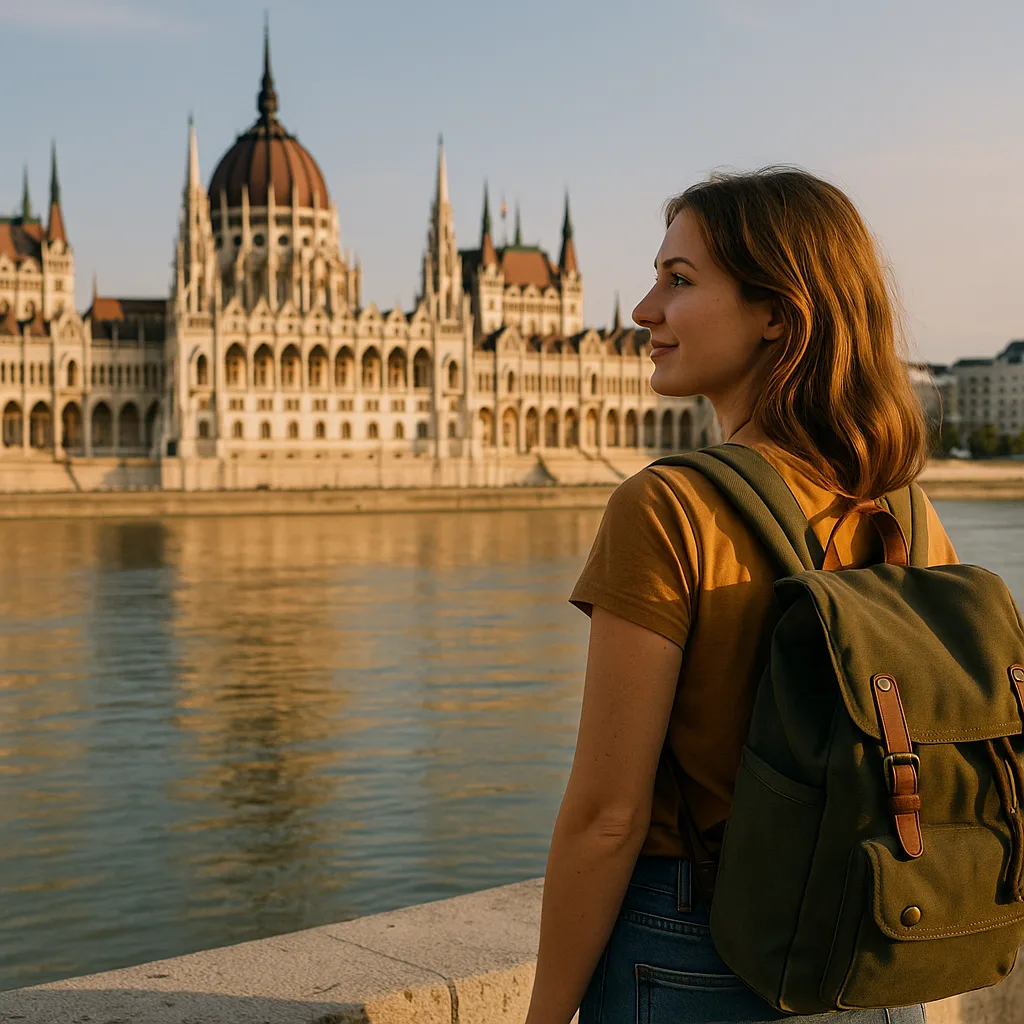
I wasn’t roughing it. I enjoyed cappuccinos in Italian cafés, free museum days in Paris, and sunsets over the Danube in Budapest. But I had to plan carefully, stay flexible, and make small, consistent choices that saved me money over time.
1. Getting Around: Buses and Budget Airlines
Transportation is usually one of the biggest costs in Europe. To keep mine low, I used a mix of budget airlines, night buses, and occasional train passes.
FlixBus and BlaBlaCar became my go-to choices for cheap and comfortable travel between cities.
Ryanair and Wizz Air helped me hop between countries for as little as $20 per flight, sometimes even less if I booked two to three weeks in advance.
For shorter routes, I used local transport or walked whenever I could.
The trick was to stay flexible with dates. Traveling midweek or at odd hours saved me a lot of money.
2. Accommodation: Hostels, Housesitting, and Smart Bookings
Instead of traditional hotels, I stayed mostly in hostels and guesthouses, which were not only cheaper but also great for meeting other travelers.
Average hostel price: $15 to $20 per night in most Central and Eastern European cities.
Guesthouses or private rooms: $25 to $35 per night, often with breakfast included.
Housesitting: I joined a site called TrustedHousesitters, where I took care of pets in exchange for free accommodation.
Sometimes, I split rooms with fellow travelers I met along the way. Sharing made a huge difference, especially in pricier cities like Paris and Rome.
3. Food: Local, Simple, and Delicious
Eating on a budget doesn’t mean giving up good food. My rule was simple: one restaurant meal per day, and the rest from local markets or bakeries.
I bought fresh produce and bread from local markets.
I cooked in hostel kitchens when possible.
I tried lunch menus instead of dinner, since they were cheaper and often just as good.
Some of my favorite meals cost less than $5. A plate of pierogi in Kraków, a baguette with cheese in Lyon, or a bowl of pasta from a Roman café off the main streets were all simple and perfect.
4. Attractions: Free Days and Walking Tours
I quickly realized that many European cities are open-air museums. Some of my best memories came from simply walking, watching, and soaking it all in.
To save on attractions, I joined free walking tours where you just tip the guide.
I visited museums on free admission days.
I explored parks, local neighborhoods, and viewpoints instead of only famous landmarks.
For example, instead of paying to go up the Eiffel Tower, I enjoyed the same view from the steps of the Sacré-Cœur for free.
5. Travel Cards and Discounts
Europe is full of discounts for travelers if you know where to look. I used the Eurail Youth Pass for occasional trains, and city cards like the Lisbon Card and Vienna Pass that included public transport and free museum entry.
The key was not to buy every card, but to check if I would actually use it enough to make it worth it. Student and under-30 discounts also helped me save along the way.
6. Slower Travel Means Cheaper Travel
Moving too quickly is one of the biggest budget killers. Transportation, booking fees, and constant moving add up fast.
When I started spending more time in each place, my costs dropped significantly. Staying a week or more often came with lower nightly rates and deeper local connections.
In Budapest, I rented a small apartment for a week. It cost less per day than two nights in a hostel in Paris. Slow travel isn’t just cheaper; it is also more meaningful.
7. Managing Money on the Road
Currency exchange fees can quietly eat into your budget. I used Wise (formerly TransferWise) and Revolut for card payments and ATM withdrawals, both of which offered great exchange rates.
I always carried a mix of cash and card, since smaller places sometimes didn’t accept digital payments.
Tracking every expense in a simple spreadsheet also kept me on target. Seeing where money went helped me adjust quickly, like skipping one café stop or choosing local bakeries instead of tourist restaurants.
8. Staying Connected for Less
I used Airalo, an eSIM app that let me buy affordable European data plans without needing to swap SIM cards. It worked across borders, which meant no roaming surprises.
Having reliable internet made navigation, bookings, and keeping in touch easy. That alone is worth every cent for budget travelers who rely on flexibility.
9. Travel Companions and Shared Costs
Although I enjoy solo travel, I sometimes joined other travelers for certain parts of my trip. Splitting the cost of taxis, groceries, or Airbnbs made a noticeable difference.
More importantly, it led to new friendships and unexpected adventures, like a spontaneous road trip through southern Spain that cost almost nothing once we divided expenses.
10. Knowing When to Spend
One of the biggest lessons I learned was that budget travel doesn’t mean denying yourself experiences.
In Florence, I spent $25 to enter the Uffizi Gallery, and it was worth every cent. In Paris, I splurged on a single dinner at a local bistro and still remember the taste years later.
Traveling cheaply isn’t about saying no to everything. It’s about spending intentionally so that every dollar brings real joy.
My Daily Budget Breakdown
Here’s roughly how my $40-a-day budget looked across three months:
| Category | Daily Average | Notes |
|---|---|---|
| Accommodation | $18 | Hostels, guesthouses, occasional housesitting |
| Food | $10 | One restaurant meal plus groceries or street food |
| Transport | $5 | Buses, cheap flights, and metro passes |
| Activities | $4 | Free walking tours, occasional museum |
| Miscellaneous | $3 | Coffee, postcards, laundry, or souvenirs |
Some days I spent more, others less, but on average it balanced perfectly.
Lessons I Learned From Budget Travel
- Flexibility saves money. The more open you are to timing and destination, the more deals you’ll find.
- Slow travel wins. Fewer moves mean lower costs and deeper connections.
- Local is best. Local food, local transport, local experiences are both cheaper and more authentic.
- Preparation matters. A bit of research before each leg can save hours and dollars later.
If you’re looking for more personal lessons that go beyond budgeting, you might enjoy my post 10 Essential Travel Tips I’ve Learned From My Journeys.
Traveling Europe on a budget taught me that adventure isn’t defined by how much you spend. It’s about creativity, patience, and a willingness to live simply.
Every time I sat in a park eating market cheese or watched a sunset instead of paying for an attraction, I felt free. The best experiences in Europe — the views, the conversations, the feelings — cost nothing at all.
You don’t need luxury to have meaningful travel. You just need curiosity, an open heart, and a little strategy.
If I could explore Europe for under $40 a day, you can too.
Useful Resources
- FlixBus – Budget bus travel across Europe.
- Skyscanner – Cheap flight search engine.
- Hostelworld – Find affordable hostels and guesthouses.
- TrustedHousesitters – Free accommodation through pet sitting.
- Airalo – eSIM for cheap mobile data while traveling.