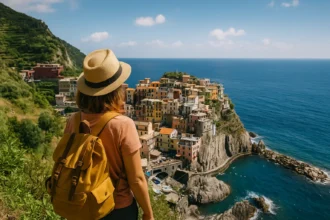
The first time I saw the Swiss Alps, I felt as if I had stepped into a postcard. Snow-capped peaks, green valleys, and villages that looked like they belonged in a fairytale. Hiking in Switzerland had always been a dream of mine, but I underestimated how much the trails would teach me—not just about hiking, but about patience, preparation, and myself.
In this post, I will share my experience hiking in the Swiss Alps, the challenges I faced, and the lessons I learned along the way. If you are considering a trip to Switzerland, I hope my story gives you insight and encouragement.
Choosing My Trail
I based myself in Lucerne, a beautiful city by a lake surrounded by mountains. From there, I planned a day hike on the Rigi Panorama Trail and a second hike near Lauterbrunnen, famous for its waterfalls.
I chose these trails because they were accessible by train and cable car, and they offered a mix of moderate difficulty and spectacular views. For a beginner in Alpine hiking, they felt manageable.
Lesson 1: Preparation Is Everything
On my first day, I made the rookie mistake of underestimating the weather. The sun was shining in Lucerne, so I packed lightly. But halfway up the mountain, clouds rolled in, temperatures dropped, and I wished I had brought an extra layer.
In the Alps, the weather changes quickly. What I learned:
- Always check the weather forecast, but be ready for surprises.
- Dress in layers and carry a waterproof jacket.
- Bring more water than you think you’ll need.
That day, I ended up sharing an umbrella with a friendly couple from Germany when it started to drizzle. It reminded me how unprepared I was, but also how generous strangers can be on the trail.
Lesson 2: Slow Down and Enjoy the View
I had this idea that hiking was all about covering as much ground as possible. But in Switzerland, every step felt like a scene from a movie. I constantly stopped to take photos: cows with bells grazing in the meadows, tiny wooden chapels, and mountain peaks peeking through the clouds.
At first, I felt guilty for being “slow.” But then I realized the hike wasn’t a race. The purpose was to be present, breathe the crisp Alpine air, and notice the details.
That shift in mindset made the experience more rewarding. Hiking taught me to slow down—not just on the trail, but in life.
Lesson 3: Trails Can Be Tougher Than They Look
The Rigi Panorama Trail was described as “easy to moderate.” I thought that meant it would be like a gentle walk in the park. I was wrong. The incline was steady, and parts of the trail were rocky. My legs were burning within an hour.
I realized that hiking in the Alps requires more stamina than city walks or flat trails. I wasn’t as fit as I thought, but I kept going at my own pace. By the end of the day, I was exhausted but proud.
Lesson learned: always respect the trail, no matter how “easy” it seems.
Lesson 4: Pack Light but Smart
On my second day, I carried too much—extra clothes, snacks, even a book I thought I’d read during breaks. My backpack was heavy, and it made every step harder.
I realized that balance is key. You want to be prepared, but not overloaded. The essentials I now always pack for Alpine hikes are:
- Water and a refillable bottle.
- Snacks (nuts, chocolate, dried fruit).
- Lightweight jacket.
- Sunscreen and sunglasses.
- Small first aid kit.
- Map or offline GPS app.
Everything else stays behind. Hiking with a lighter bag made the second trail much more enjoyable.
Lesson 5: Respect Nature and Local Culture
One of the things I loved most about hiking in the Swiss Alps was how clean and well-maintained the trails were. Locals take pride in preserving their environment, and hikers are expected to do the same.
I noticed signs reminding people to stay on marked paths, not to disturb wildlife, and to carry out their trash. I also learned that greeting other hikers with a simple “Grüezi” (hello in Swiss German) is part of the culture.
It made me realize that being a guest in nature means being respectful—both to the land and to the people who live there.
A Scary but Memorable Moment
In Lauterbrunnen, I decided to follow a trail that passed near the Staubbach Falls. At one point, the path was narrow with a steep drop on one side. I froze for a moment, suddenly aware of my fear of heights.
I took a deep breath, reminded myself to look ahead and not down, and slowly kept moving. It was scary, but once I passed that section, I felt stronger. That moment taught me that courage is not about being fearless—it’s about moving forward despite the fear.
Favorite Memories
- Eating Swiss chocolate while sitting on a rock overlooking the valley.
- Hearing cowbells echo across the mountains.
- Watching the sunset turn the snow peaks pink and gold.
These small moments are what I remember most—not how many kilometers I walked or how fast I finished.
Practical Tips for Hiking in the Swiss Alps
- Transportation: Switzerland’s trains and cable cars make trailheads easy to reach. Buy a Swiss Travel Pass if you plan to move around a lot.
- Best Time to Visit: Late spring to early autumn (May–September) offers the best conditions.
- Costs: Hiking itself is free, but cable cars can be pricey. Budget around CHF 20–40 per ride.
- Fitness Level: Choose trails that match your ability. Don’t be afraid to start with easier routes.
- Accommodation: Mountain huts are a unique experience if you want to stay overnight. Book early in peak season.
Final Reflections
Hiking in the Swiss Alps taught me humility, patience, and the importance of preparation. It reminded me that nature doesn’t bend to our schedules—we have to adapt to it.
If you’re planning your own Alpine hike, my advice is simple: be prepared, go at your own pace, and take time to appreciate the beauty around you. The Alps are not just mountains; they are a place where you can reconnect with yourself and the natural world.
I left Switzerland with sore legs, a full heart, and memories I’ll carry forever.